May 21, 2025
Operations
How a Trade Business Runs Like a Big One
Read time: 4 min read
Key Takeaways
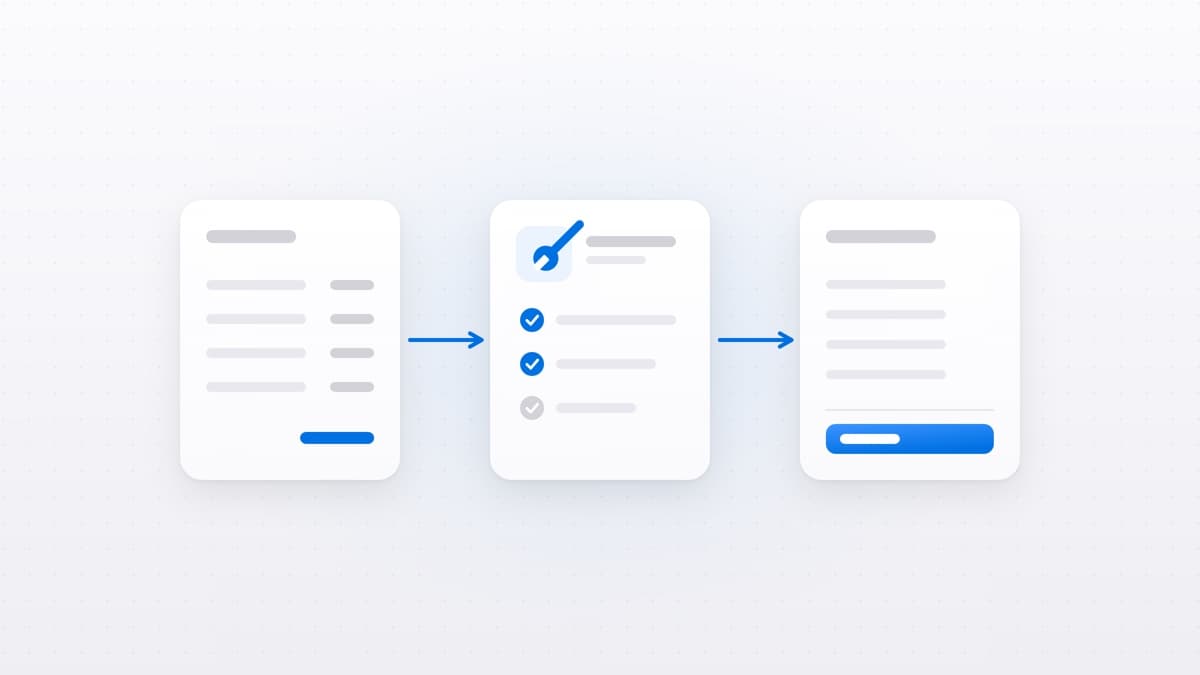
Large contractors are not better tradespeople. They run one system where a quote becomes a job, a job carries its safety paperwork, and the invoice goes to Xero without anyone retyping it. A ten-person business can run the same way.
The gap is systems, not skill
I spent years as a boilermaker and then supervising maintenance crews at an iron-ore port. The big contractors we worked alongside were not better on the tools. What they had was a system where nothing depended on someone remembering.
A quote became a job without being retyped. The job carried its own prestart and SWMS. When the work was done, the invoice went out from the same record, and the margin was visible before it did.
Most trade businesses under 20 people run on the opposite: a quoting spreadsheet, a job app, a shared inbox, and a folder of safety forms in the ute.
What one system changes
I built an operations system for a plumbing and estimating business in WA, and the shape of it is the shape most trade businesses need.
- Quotes from saved assemblies. The common jobs are built once, with labour and materials, and the quote shows its margin before it leaves.
- Jobs that carry their paperwork. Prestarts, SWMS and inductions are completed on a phone and stored against the job. An audit is a search.
- Inventory that matches reality. Stock on the van and in the shed, with purchasing tied to the job that needed it.
- Xero without retyping. Invoices, bills and contacts sync. The bookkeeper keeps working the way they do now, with less data entry.
None of this is enterprise software. It is the same handful of records, joined up, with your name on the login.
Why off-the-shelf stops working
Job apps are fine until the business has a process of its own: a quoting method, a safety requirement, a way of handling variations. Then every app needs a workaround, and the workarounds live in people's heads.
A system built around how you actually work does not need the workarounds. That is the whole point.
Where to start
Write down the last three times something fell through a gap: a quote that went out without a margin check, a job that started without a SWMS, an invoice that went out late. Those are the first three things the system should fix.
If you want help putting that list together, book a call and bring the list.
Recent articles
Plain writing on operations, compliance and the systems businesses actually run on.
Dec 1, 2026
Operations

Care Minutes Reporting Without the Spreadsheet
How one aged-care group swapped a quarterly reporting spreadsheet for a dashboard that is up to date every morning.
Nov 24, 2026
Compliance
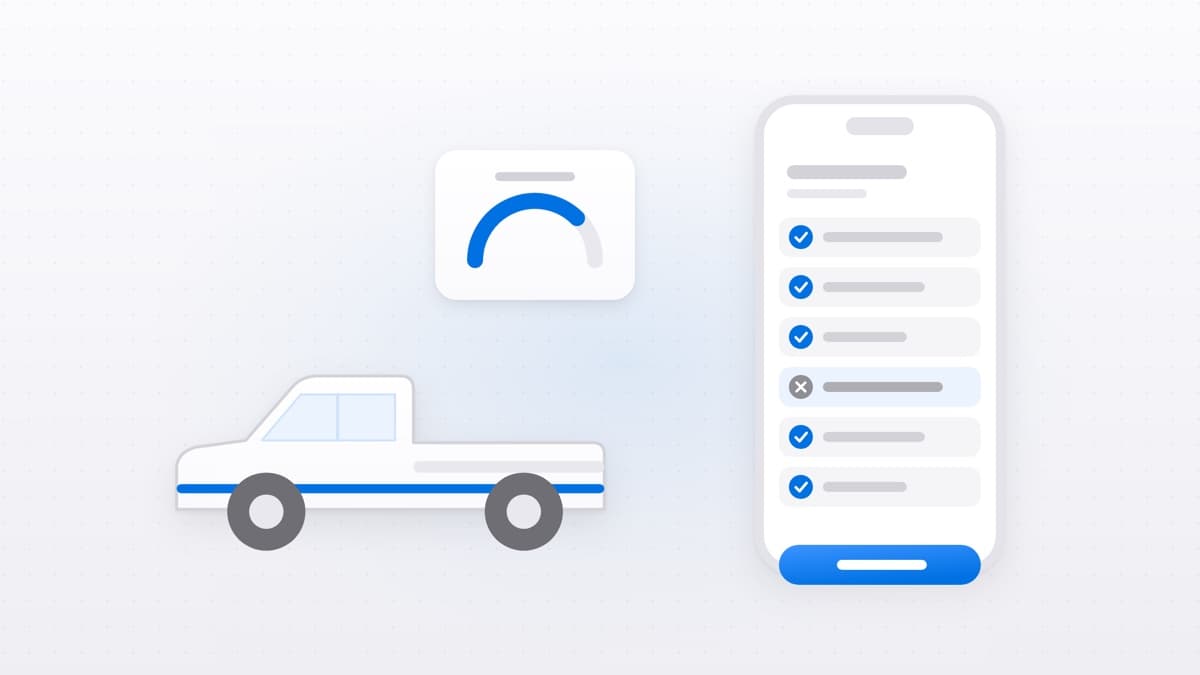
Keeping a Trade Fleet Road-Ready Without a Clipboard
Paper pre-starts get filled in late and defects go nowhere. How I set up phone checks, defect alerts and odometer servicing for a WA plumbing business.
Tell me what your business runs on today
A 30 minute call. You describe the spreadsheets, the apps and the paperwork; I tell you what I would build and roughly what it would cost.